
Netto
By automating approximately 80% of the production process, we reduced the time required to prepare a single campaign cycle from 20–28 hours to 8–15 hours. The system enables efficient production and updating of digital signage content across Netto’s entire network while maintaining visual consistency.
Context
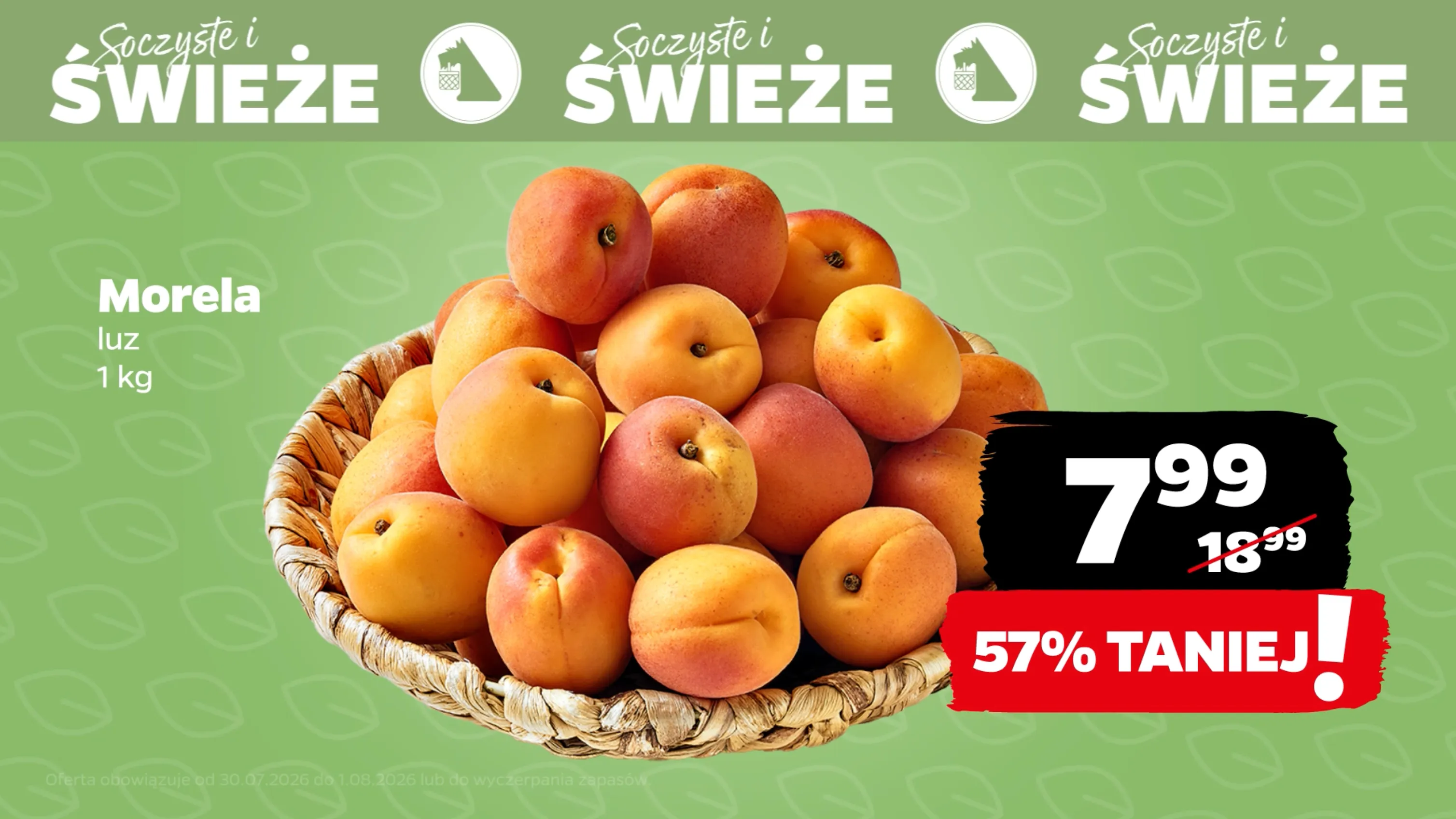
Netto uses a network of 200 digital signage screens across nearly 100 stores to communicate current promotions, own‑brand products and informational content. Content is updated twice a week and is largely based on materials developed alongside the printed promotional leaflet. The scale of production, variety of formats and tight deadlines created a need to streamline the production process and reduce manual work.
Challenges
We developed a system of approximately 20 master templates covering all of Netto’s recurring communication formats. These established consistent rules for presenting and animating product packshots, prices, descriptions and other graphic elements, ensuring alignment with the brand’s visual identity.
The next stage involved introducing a semi‑automated production process. Using the templates, variable elements such as product packshots, prices and descriptions can be automatically transferred into new creative assets. We also automated the adaptation of content from landscape to portrait formats, reducing the need to prepare additional versions manually.
We are also responsible for ongoing content production, updating the content schedule and managing playback through the CMS. Over 14 months of collaboration, we delivered 80 campaign cycles and a total of 1,475 animations.
Solution
We automated approximately 80% of the production process, reducing the time required to prepare a single campaign cycle from 20–28 hours to 8–15 hours. At the same time, we maintained a schedule of two content updates per week and ensured visual consistency across all materials.
The solution reduced manual work and the risk of errors, allowing new content to be produced without having to design each asset from scratch. We also apply this production model to other projects requiring the regular creation of large volumes of content variations.